
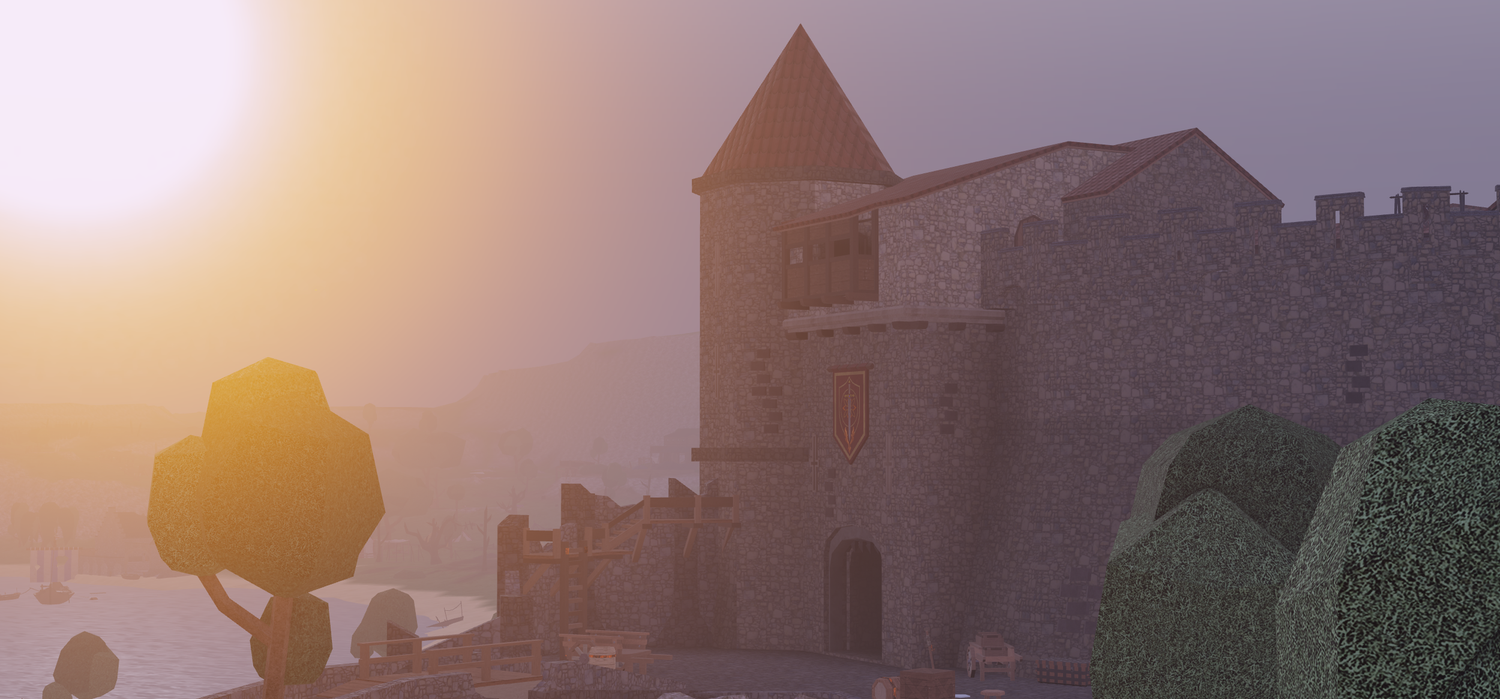
Guild Lore /
AND FAQ
The Adventurer's Guild possesses an identity worth writing down, and a history longer than most members realize. Battles won and conquests achieved by Adventurer and Staff alike; the founding of each department, and the sub-lore each has gathered since.
The Scribes
The Scribery began as little more than the logistical arm of the Guild in its infancy. Like the Clinicians, it has no recorded founding date; nobody wrote one down. What the archives do hold is the department's reformation, twice over: once after an early collapse, and again during the reclamation of Eldcastle. The first of those collapses is why so little of the early record survives today.

The Clinicians
The Clinicians formed for the obvious reason: Adventurers and Staff alike kept getting hurt, and somebody had to be formally responsible for it. Their documented history is thin. Their reputation for tireless work is not, and they stand today as one of the more formalized medical bodies within Tykonia, and among the more professional.

The Keepers
The Keepers are the newest of the departments, and they trace their origins to the now-defunct Guard. The Guard had been the elite knight retinue of the Forsters, disbanded once the Forsters rose to lead Larova, then reinstated by King Ingeld's decree after Eldcastle surrendered to the city. The Guild wanted an elite force that stayed contained and professional; the Keepers are what it built. They have held Guild assets and spearheaded the larger Adventurer formations since, which is most of what there is to say about them so far.

Origins of the Departments
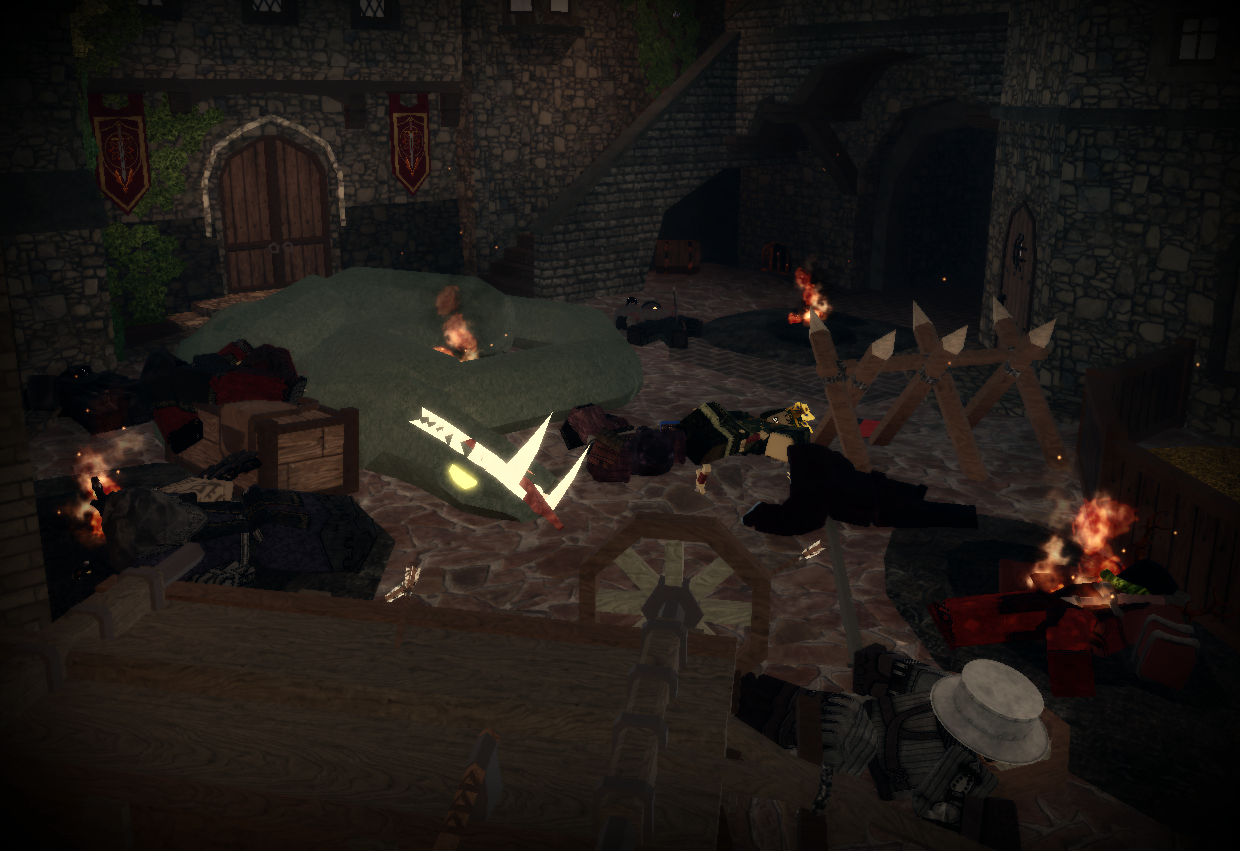
Battle of Eldcastle
Waning Highsomer, ~10th
In the days of Waning Highsomer, ragtag groups of mercenaries were called upon to reclaim the seat of the Adventurer's Guild. They killed the basilisk that had settled in it, and the Guild would resume operations in Larova on the strength of that one night.
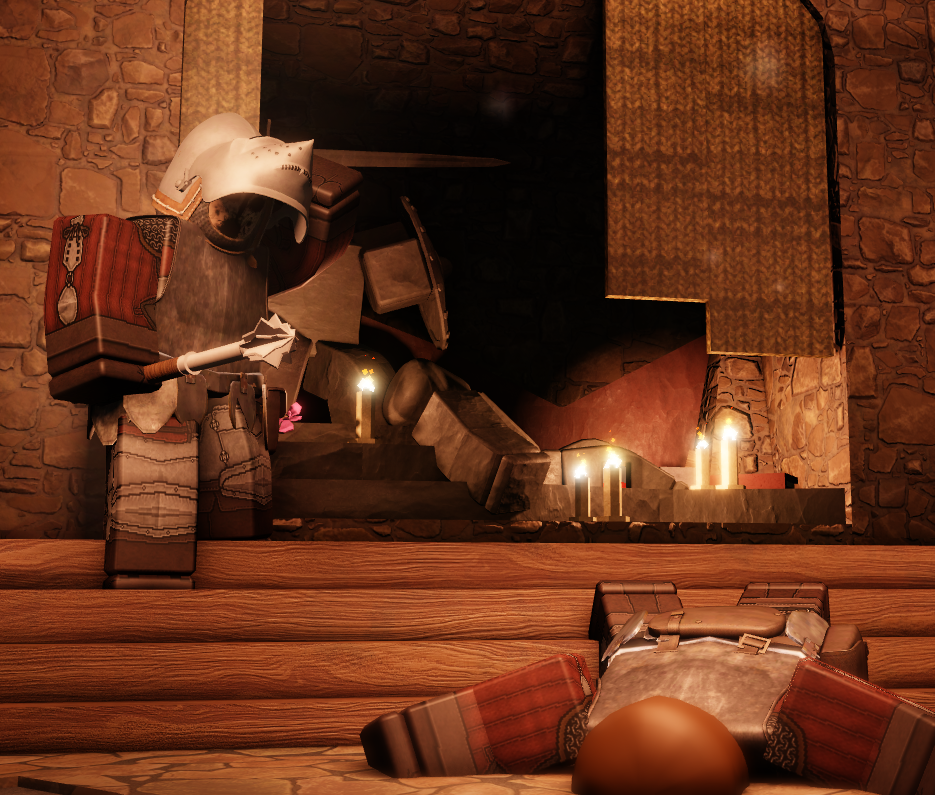
Friend or Foe?
Waning Highsomer, 24th
The night of Friend or Foe still unsettles those who were there, although most of the Guild has let it slip from memory. It was one of the first warnings the Guild received. Orchestrated by the enigmatic Cassens, mimics wearing the faces of adventurers and staff worked from inside to seize a set of catalysts, and they got them. Where those catalysts went afterward, nobody in the Guild has ever established.
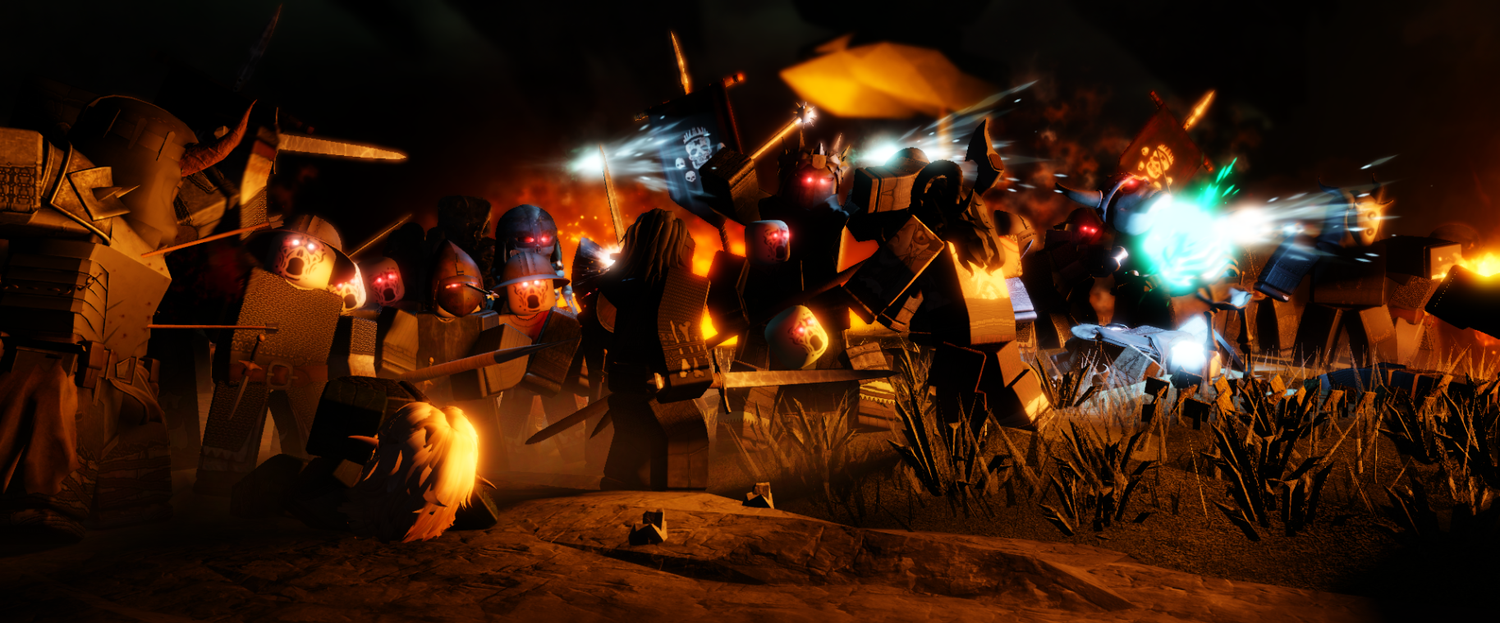
The Pale March
Waxing Fallowtide, 28th
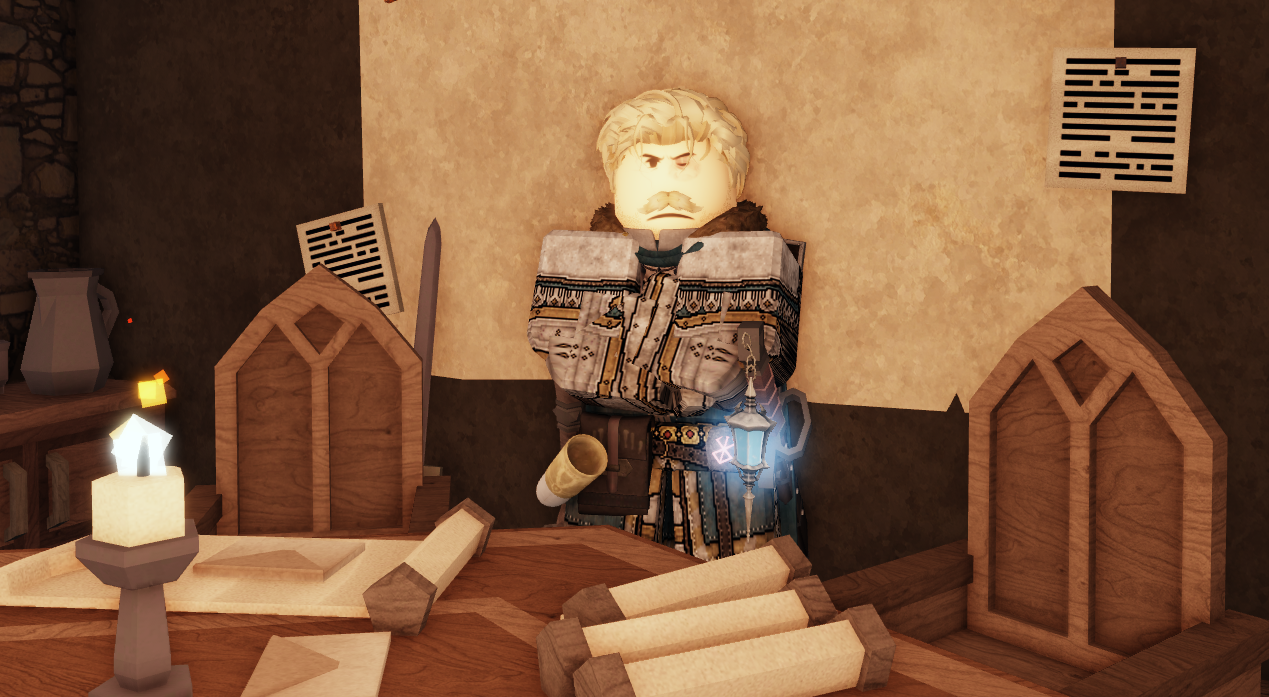
"They had gathered by the edge of the Miasma, the Pale and their abominations charged by the edge of the West Gate. We hurried, used Flamel's foul creations, and crude techniques to increase and bolster our power. I had to look through the old storage for extra plate. But it ended up working out just fine, we held them back... for now."
- Guildmaster Sisu
Trial for Huntsmarshal
Waning Fallowtide, 5th
A trial held after the mysterious death of the last Larovan Huntsmarshal. It was a grand affair, run across three stages, and it ended with a single Adventurer of the Guild put forward before the King.
B-Rank Thalen would assume the mantle, and would be named Larova's new Huntsmarshal before the King himself.
Castle That Burns
Waxing Hibernalia, 2nd
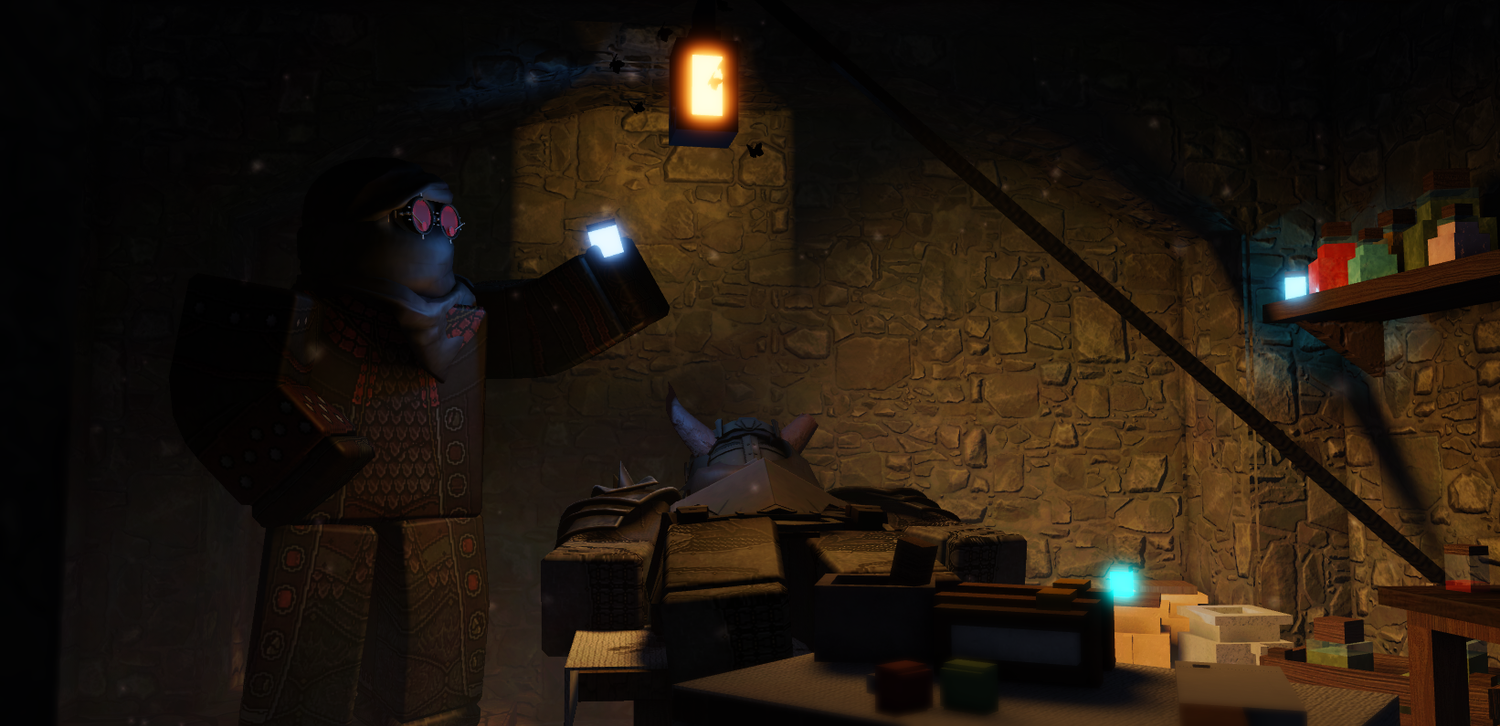
The arrest of the late Guildmaster Flamel went wrong in more ways than one, and it ended with Flamel dead. It would prove a defining moment in Eldcastle's history for a second reason as well: the attempt drew the interest of both Larova and the Sanctum, and that interest brought severe reprimands down from the King himself.

Deimos & Phobos
Waning Hibernalia, 10th
Guildmaster Sisu orchestrated a delve into the stone at the bottom of the Eldcastle pit, hoping to learn what the Miasma actually was and to find some path forward in the war against the Pale. Corpses of Forster bannermen, half rotted by miasma, were drawn to the stone, and their memories were extracted by the crude method of living through them. The Guild got what it came for.
King's Marrow
Waning Hibernalia, 13th
Forces marched on the Eldcastle with a beast in tow, and the Adventurer's Guild called every Adventurer and every hero it had to arms. This was their stand. A Dread Serpent carried a miasma core in its skull, and the visions of the Echostone had made two things clear: what that core could do, and that the mist would not break without it.
Their efforts would prove effective soon enough.
The Final Stand
Waning Hibernalia, 15th
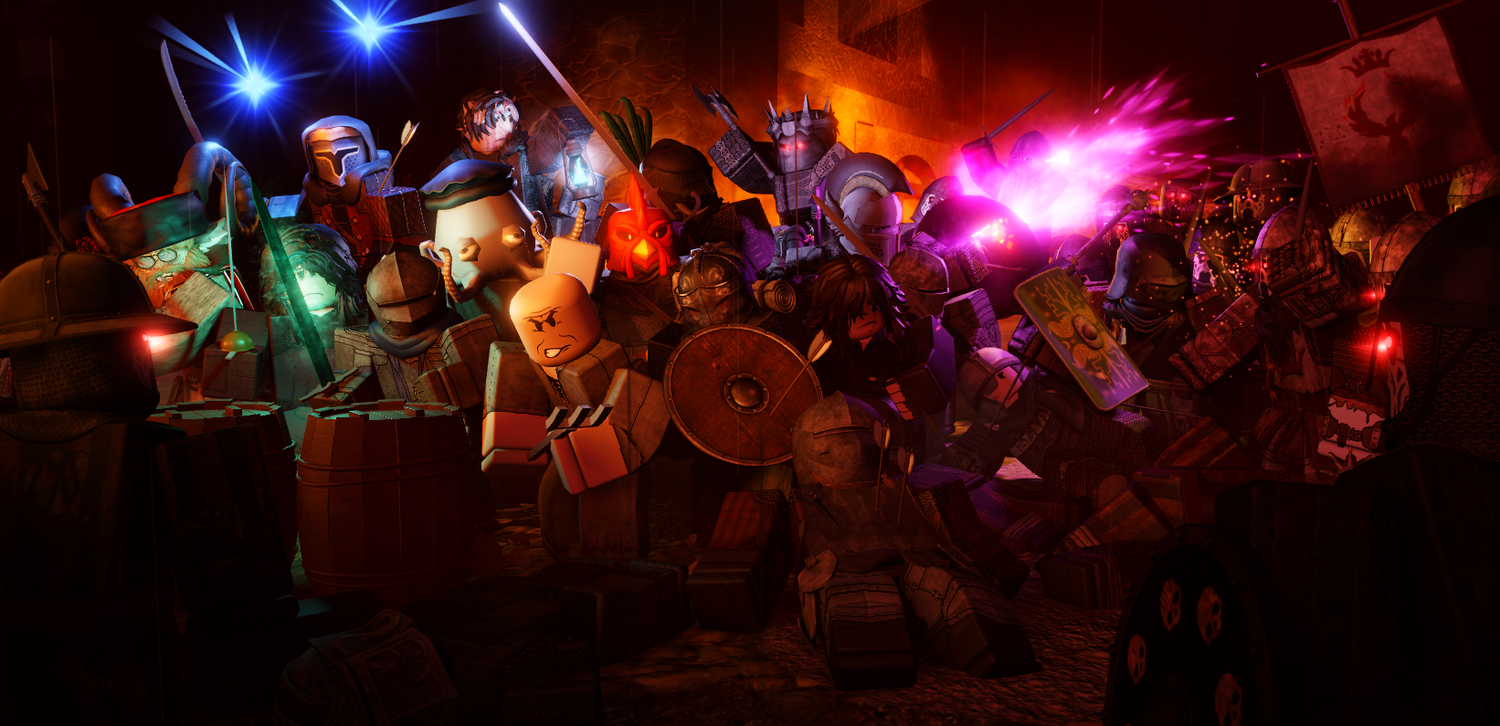
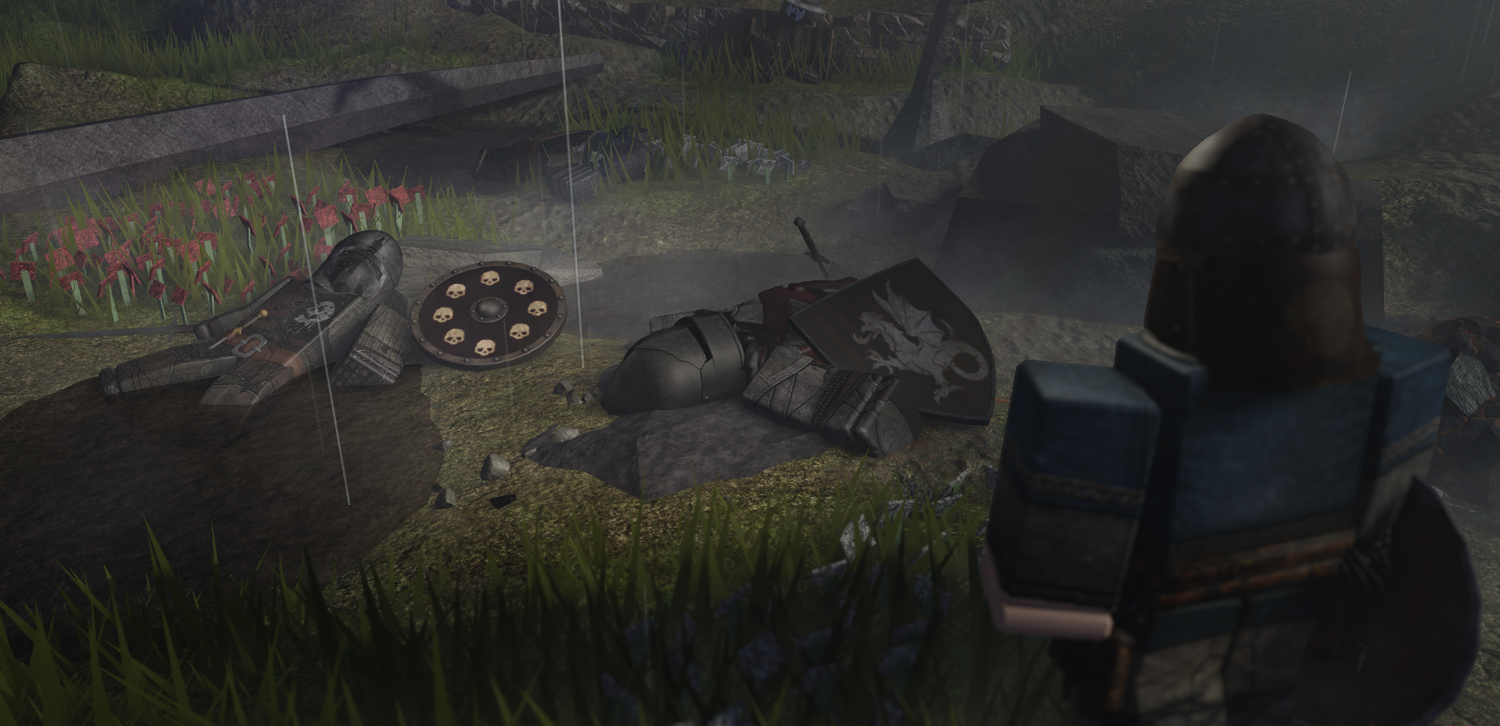
The night the tide turned against the Pale, and the night Larova and the Guild began, at long last, to win. Adventurers and Bannermen fought together to destroy the Conduit that had been raised against them, and a great many of them did not come back from it. The city held anyway, and it held because they had not.
The Southern Basin was cleared of Miasma, and the siege saw its first days of hope.
The Second Push
Waning Niewyer, 5th
An offensive into the Northern Basin of Larova. Once more, Adventurers and Bannermen pushed into the miasma, protected by lanterns lit aflame with blue fire. They toppled a second conduit, and paid for it, and the Pale lost ground again.

The Adventurers Guild:
A Condensed History
The Compact of First Blades that created the Adventurer’s Guild in 2816 BM was more about registering and controlling Larova’s sellswords than about creating an institution. The first 50 years of the Guild's existence are known as the Founder's Lament, as they fought for autonomy under pressure from the nobility and the crown. They finally capitulated in the Forster Accommodation of 2855, where the Guild's fortunes were tied to a single royal house. The Golden Era (2867-2931) brought consolidation and growth: a unified treasury, salaried staff, a professionalized corps, formal ranks, and a profitable eastern trade based within Avont. Somewhere around 2908 the transfer of administrative functions to the fortress of Eldcastle made the Guild a secular institution, separate from the people it served. It changed the Guild from a civic service into something more like an autonomous power and, as several later commentators observed, removed it from the people it had originally been chartered to serve.
The Years of Disinformation (2932-2934) saw the Guild's records corrupted by forged seals, a flooded archive, and competing factions. The crisis was resolved by the Silent Audit of 2934, a closed proceeding whose records were destroyed by the leadership. Its importance lies in the precedent it set: the institution learned that gaps in the record could be as convenient as regrettable.
That lesson was the basis for the Mundane Recess (2935-3024), the longest, least eventful period in the Guild's history. It could still function and flourish, but money more and more dictated the choices of the institution, as put in the phrase “As the Coin Flows.” They cited the standard price tables, the sealed "Hush Contracts", the expanded holding cells, and the absence of the lower-ranking members from the archive as evidence of this change. The Midyan Conflict (3010-3015) and the subsequent de facto naval blockade have served to cement chronic scarcity and the practice of profiting from it. When the first reports of the Pale, a coordinated undead force accompanied by a red miasma, reached the Guild, an institution used to pricing risk could not find a place to put a threat its existing categories could not accommodate.
The Modern Days (3025-3026) are poorly documented due to their recent nature. The Forster line was wiped out at the Battle of the Bog, and was succeeded by the Ingelds in a time of civil disorder, exacerbated by the Guild's refusal to assist the City Watch. It was a time of great losses and partial recovery: Eldcastle was re-taken, Guildmaster Flamel was killed soon after during conflict between the Levy and Guard, the Echostone was used to gain intelligence from the dead, and the first Pale "Conduit" was destroyed, lifting part of the siege. By 3026, the council of six had become just one, Guildmaster Sisu, and the Guard had been replaced by the Keepers. During the same months, there was a partial reversal of the Recess's priorities. Record-keeping and research were revived, Veneration emerged as a commemorative practice, and the population began to be treated rather than priced. The founding question of the institution left unresolved: can a body that trades in danger be trusted to govern it?

FAQ